
Washing Machines: Common Problems, and How to Choose the Right Technician
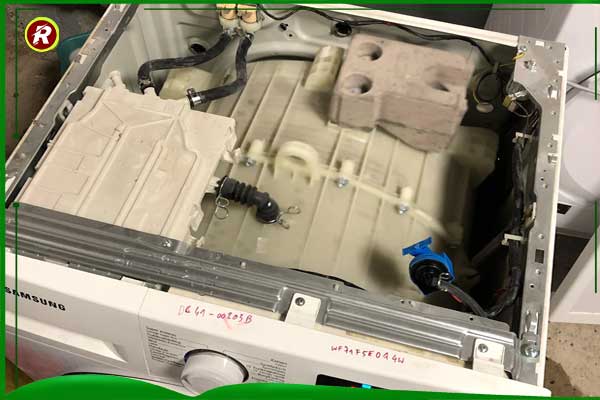
Washing Machine Repair: Common Problems, Fast Local Service, and How to Choose the Right Technician
A washing machine is one of the hardest-working appliances in any household. It runs several times a week, handles heavy loads, and combines water, electricity, and mechanical movement in a single unit. When it breaks down, the disruption is immediate: laundry piles up, trips to the laundromat become necessary, and the temptation to replace the machine outright grows quickly. In many cases, however, a professional repair is faster, cheaper, and far more sustainable than replacement. This article examines the most common washing machine faults, explains why local repair services are often the best choice, walks through a typical repair process, and offers practical guidance on preventive maintenance and selecting the right technician.
1. Common Washing Machine Problems
Drainage Issues
Drainage failure is among the most frequent complaints. Water remains in the drum at the end of a cycle, or the machine stops mid-cycle with an error code. The usual causes include:
- A clogged drain pump filter. Lint, coins, hair pins, and small garments collect here over time.
- A blocked or kinked drain hose, especially where the hose connects to the standpipe or sink trap.
- A failed drain pump. Pumps wear out, and foreign objects can jam or break the impeller.
- A faulty lid switch or pressure sensor that prevents the machine from advancing to the spin phase.
Standing water should always be drained before diagnosis, and electrical power should be disconnected. A technician can isolate whether the fault lies in the filter, the hose, the pump, or the machine’s control system.
Noise and Vibration
All washing machines make some noise, but sudden or excessive sound signals a problem. Common culprits include:
- Worn drum bearings, which produce a loud rumbling or grinding noise, particularly during spin cycles. This is one of the more serious mechanical failures.
- A worn or snapped drive belt, which causes squealing or slapping sounds.
- Loose objects such as coins, buttons, or underwire trapped between the drum and the tub.
- Unbalanced loads or an uneven floor, causing violent shaking during the spin cycle.
- Damaged shock absorbers or suspension springs in front-loaders, which let the drum move excessively.
Ignoring noise rarely makes it go away. A worn bearing, for example, can damage the drum shaft and turn a moderate repair into a full tub replacement.
Leaks
Leaks can range from a small puddle to significant flooding, and identifying the source is the first step. Frequent causes are:
- Detergent drawer leaks caused by blockages or excess detergent.
- Cracked or perished door gaskets and seals, especially in front-loaders where trapped moisture degrades rubber over time.
- Loose or damaged inlet hose connections at the tap or the machine.
- Faulty internal hoses, hose clamps, or a corroded tub.
- A clogged drain that forces water back into the machine.
Because water and electricity are in close proximity, persistent leaks should never be left unattended. Turn off the water supply and disconnect the machine before inspection.
Other Common Faults
Beyond the three headline problems, technicians routinely address machines that will not start, will not spin, do not heat the water, trip the circuit breaker, emit burning smells, or display error codes. These often point to electrical components such as door interlocks, heating elements, thermal fuses, control boards, or motor brushes.
2. Benefits of Choosing Local, Fast Repair Services
When a washing machine fails, speed matters. A local repair service offers several distinct advantages over national chains, manufacturer service queues, or simple replacement.
- Faster response times. Local technicians can often attend the same day or the following day, because they serve a compact geographic area rather than scheduling appointments weeks in advance across a wide region.
- Lower costs. Local providers typically carry lower overheads than national call centers and franchise networks. That saving is passed on through lower call-out fees and labor rates.
- Familiarity with local conditions. Water hardness, common power fluctuations, and the appliance brands prevalent in a given area all shape what technicians see daily. A local professional diagnoses these patterns quickly.
- Accountability and reputation. In a local community, reputation is everything. Independent technicians depend on word-of-mouth referrals and reviews from neighbors, which strongly incentivizes quality work and honest pricing.
- Support for the local economy. Money spent with local businesses circulates in the community rather than flowing to distant corporate offices.
- Environmental benefits. Repairing an appliance keeps it out of the landfill and avoids the substantial carbon cost of manufacturing and shipping a new machine. Extending the life of a washing machine by even three to four years is a meaningful environmental contribution.
- Salvageable diagnostics and parts. Established local technicians often maintain relationships with parts suppliers and may source spares faster than a manufacturer’s official service channel.
For a household that generates daily laundry, the difference between waiting a week and waiting a day is the difference between a minor inconvenience and a major disruption.
3. The Typical Repair Process
Although every provider differs, most reputable washing machine repairs follow a clear sequence.
- Booking and initial triage. The customer describes the symptoms: what happens, when it happens, and any error codes. The service estimates a response time and often a preliminary price range.
- Inspection and diagnosis. The technician inspects the machine, checks the drum, hoses, pump, belt, seals, and electrical connections, and may run a diagnostic cycle. Many modern machines display fault codes that narrow the search considerably.
- Quotation. Before any work begins, the technician should provide an itemized quote covering parts, labor, and any call-out fee. A trustworthy provider will also say honestly when a repair is not worthwhile.
- Repair. With approval, the technician replaces or repairs the faulty component. Common parts such as pumps, belts, door seals, inlet valves, and heating elements are frequently carried in the van, allowing same-visit completion.
- Testing. The machine is run through a full or partial cycle with the customer present where possible, to confirm the fault is resolved and no leaks, noise, or errors remain.
- Warranty and advice. Reputable services guarantee both parts and labor, commonly for three to twelve months, and offer advice on preventing recurrence.
For the customer, the practical preparation is simple: clear access to the machine, switch off the water supply if there is a leak, and have the machine’s brand, model number, and purchase date available.
4. Preventive Maintenance Tips
A modest amount of routine care can prevent many of the faults described above and extend the machine’s working life substantially.
- Clean the drain pump filter every two to three months. Place a shallow tray beneath it, unscrew it slowly, and remove lint and debris.
- Wipe the door gasket after washes and leave the door ajar. This prevents mold, mildew, and the premature degradation of rubber seals in front-loaders.
- Run a hot maintenance wash monthly. An empty cycle at 60 degrees Celsius or higher with a washing machine cleaner, or simply detergent alone, dissolves detergent residue and grease buildup.
- Use the correct amount of detergent. Excess detergent does not clean better; it leaves residue that clogs drawers, pumps, and hoses.
- Check and clean the detergent drawer regularly to prevent blockages and mold.
- Inspect hoses annually. Look for bulges, cracks, or drips at the connections, and replace any hose older than five years. A burst inlet hose is one of the most common causes of flooding.
- Avoid overloading. Consistently overloaded drums strain bearings, belts, and shock absorbers.
- Level the machine. Adjust the feet so the machine does not rock; excessive vibration during spins is a leading cause of bearing and suspension damage.
- Empty pockets. Coins, keys, and hair pins are the leading cause of jammed pumps and torn seals.
- Use a surge protector. In areas with unstable power supply, voltage spikes can damage control boards and motors.
5. How to Select the Right Repair Service
The quality of washing machine repair services varies widely, and a little diligence before booking protects both your wallet and your appliance.
- Verify experience with your brand. Ask whether the technician regularly services your machine’s make and model. Brand-specific knowledge, particularly for European or high-efficiency machines, matters.
- Check qualifications and insurance. Look for certified technicians, relevant electrical training, and liability insurance in case of accidental damage.
- Read local reviews. Independent reviews reveal patterns: punctuality, honest pricing, first-visit fix rates, and how the business handles complaints.
- Demand transparent pricing. A reputable service quotes call-out fees, labor rates, and parts costs before work begins, and confirms the quote after diagnosis.
- Ask about warranties. Reliable providers guarantee their repairs in writing. A technician unwilling to stand behind the work is a warning sign.
- Confirm genuine or quality-assured parts. Original manufacturer parts, or reputable equivalents, last longer than the cheapest generic alternatives.
- Assess responsiveness. How quickly do they answer the phone, reply to messages, and offer appointments? Their behavior during booking usually predicts their behavior during the repair.
- Compare repair versus replacement. For an honest opinion, ask the technician whether the quoted repair cost is reasonable relative to the machine’s age and value. As a rough rule, if a repair costs more than half the price of a comparable new machine and the unit is over eight years old, replacement deserves consideration. Otherwise, repair usually wins.
Most washing machine problems, whether drainage failures, unusual noises, or leaks, trace back to a small number of components and can be repaired quickly by a competent professional. Choosing a local, fast repair service brings shorter waits, fairer prices, and the accountability that comes from serving one’s own community. Pair that with routine preventive maintenance, and a washing machine can reliably serve a household for many additional years. When the next fault appears, diagnose early, choose a technician with verified experience and transparent pricing, and let repair, rather than replacement, be the first option considered.